Our industry-leading warranty is just the beginning.
With America's Best Warranty—including a 10-Year/100,000-Mile Powertrain Limited Warranty—standard, 2026 ELANTRA gives you peace of mind for years to come.


Start building a vehicle, then click the icon to save your configurations here.
Search new inventory, then click the icon to save your favorites here.
Search certified used vehicles, then click the icon to save your favorites here.
Start building a vehicle, then click the icon to save your configurations here.
Search new inventory, then click the icon to save your favorites here.
Search certified used vehicles, then click the icon to save your favorites here.


2026
Our tech-centric compact sedan.
Our tech-centric compact sedan.
Our tech-centric compact sedan.
Our tech-centric compact sedan.
Our tech-centric compact sedan.
Our tech-centric compact sedan.
Our tech-centric compact sedan.
Our tech-centric compact sedan.
Our tech-centric compact sedan.

{{vehicle?.modelYear}} {{vehicle?.modelName}} {{selectedTrimNameByo}}

2026 ELANTRA


Apple CarPlay® and Android Auto™ give you access to all of your favorite apps on the available 10.25-inch touchscreen. You can even access them wirelessly on the standard 8-inch touchscreen.
Add your car key to your compatible smartphone’s native wallet app, such as Apple Wallet®, Google Wallet, or Samsung Pass.
Add your car key to your compatible smartphone’s native wallet app, such as Apple Wallet®, Google Wallet, or Samsung Pass.
Add your car key to your compatible smartphone’s native wallet app, such as Apple Wallet®, Google Wallet, or Samsung Pass.
With our available Hyundai Digital Key 2 Touch, your compatible smartphone is your key, conveniently unlocking doors and starting your ELANTRA.
With our available Hyundai Digital Key 2 Touch, your compatible smartphone is your key, conveniently unlocking doors and starting your ELANTRA.
With our available Hyundai Digital Key 2 Touch, your compatible smartphone is your key, conveniently unlocking doors and starting your ELANTRA.
Charging has never been easier, thanks to the available, wireless Qi-compatible charging pad that gives you the power to conveniently charge as you drive.
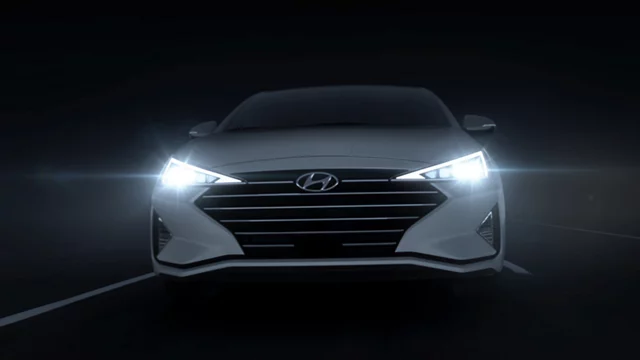





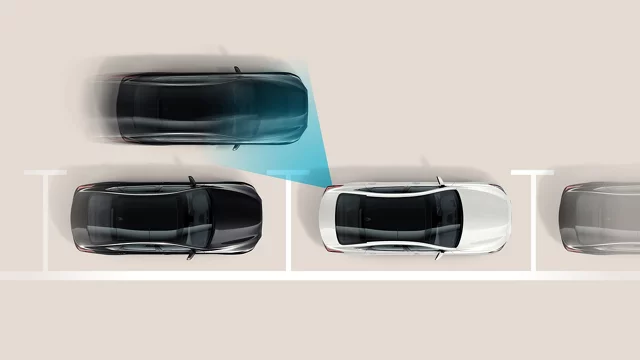

The Hyundai ELANTRA has plenty of available and standard tech, along with top notch safety features. Its sleek, futuristic style is easy on the eyes, while the up-to-40-MPG Highway* EPA-estimated fuel efficiency is easy on the wallet. For those looking for more peace of mind, ELANTRA also comes with America’s Best Warranty including a 10-year or 100,000-mile (whichever comes first) Powertrain Limited Warranty. All in all, it's a reliable, cost-effective, fuel-efficient, tech-centric sedan many enjoy owning.
America's Best Warranty claim based on total package of warranty programs. See dealer for LIMITED WARRANTY details. See your Hyundai dealer and HyundaiUSA.com/Assurance for details and limitations regarding Hyundai's Powertrain Limited Warranty.
*2026 ELANTRA SE: 31 City/40 Hwy/35 Combined MPG. 2026 ELANTRA SEL Sport, SEL Sport Premium & Limited: 30 City/40 Hwy/34 Combined MPG. 2026 ELANTRA N Line: 28 City/35 Hwy/31 MPG Combined. All figures are EPA estimates and for comparison purposes only. Actual mileage may vary with options, driving conditions, driving habits and vehicle's condition.
The starting MSRP for ELANTRA is $22,625. However, there are five available trims at different price levels, including the top end N Line which has a starting MSRP of $29,400.*
MSRP excludes freight charges, tax, title, and license fees. Freight charges and actual dealer prices may vary. Vehicles displayed may contain optional equipment at additional cost. Accessory item shown may vary according to model and illustration.
How long your ELANTRA lasts depends on a number of factors, like regular maintenance, your driving habits, and local climate—and America's Best Warranty backs you up with 10 years/100,000 miles of powertrain protection plus 5 years/60,000 miles bumper-to-bumper coverage.
America's Best Warranty claim based on total package of warranty programs. See dealer for LIMITED WARRANTY details. See your Hyundai dealer and HyundaiUSA.com/Assurance for details and limitations regarding Hyundai's Powertrain Limited Warranty.