


SANTA FE
0% APR for up to 60 months + 0 Payments for 90 days. For well-qualified buyers only.
SANTA FE
0% APR for up to 60 months + 0 Payments for 90 days. For well-qualified buyers only.
SANTA FE
0% APR for up to 60 months + 0 Payments for 90 days.
For well-qualified buyers only.
SANTA FE
0% APR for up to 60 months + 0 Payments for 90 days.
For well-qualified buyers only.
SANTA FE
0% APR for up to 60 months + 0 Payments for 90 days.
For well-qualified buyers only.
SANTA FE
0% APR for up to 60 months + 0 Payments for 90 days.
For well-qualified buyers only.
SANTA FE
0% APR for up to 60 months + 0 Payments for 90 days.
For well-qualified buyers only.
SANTA FE
0% APR for up to 60 months + 0 Payments for 90 days.
For well-qualified buyers only.
SANTA FE
0% APR for up to 60 months + 0 Payments for 90 days.
For well-qualified buyers only.
Featured {{ modelYear }} {{ modelName }} Reviews


{{offer.OfferDisplayName}}
{{offer.RbcHeaderPrefix}} {{formatAsMoney(offer.Details[0].Price)}} {{offer.RbcHeaderSuffix}}
{{offer.RbcHeaderShortAdDesc}}
https://www.hyundaiusa.com/us/en/offers/?models=santa-fe&years=2025{{offer.OfferDisplayName}}
{{offer.LeaseHeaderPrefix}} {{formatAsMoney(offer.Details[0].Price)}} {{offer.LeaseHeaderSuffix}}
{{offer.LeaseHeaderShortAdDesc}}
https://www.hyundaiusa.com/us/en/offers/?models=santa-fe&years=2025{{offer.OfferDisplayName}}
{{offer.LowAprHeaderPrefix}} {{offer.Details[0].Apr}}% {{offer.LowAprHeaderSuffix}}
{{offer.LowAprHeaderShortAdDesc}}
https://www.hyundaiusa.com/us/en/offers/?models=santa-fe&years=2025{{offer.OfferDisplayName}}
{{offer.RbcHeaderPrefix}} {{formatAsMoney(offer.Details[0].Price)}} {{offer.RbcHeaderSuffix}}
{{offer.RbcHeaderShortAdDesc}}
https://www.hyundaiusa.com/us/en/offers/?models=santa-fe&years=2025{{offer.OfferDisplayName}}
{{offer.LeaseHeaderPrefix}} {{formatAsMoney(offer.Details[0].Price)}} {{offer.LeaseHeaderSuffix}}
{{offer.LeaseHeaderShortAdDesc}}
https://www.hyundaiusa.com/us/en/offers/?models=santa-fe&years=2025{{offer.OfferDisplayName}}
{{offer.LowAprHeaderPrefix}} {{offer.Details[0].Apr}}% {{offer.LowAprHeaderSuffix}}
{{offer.LowAprHeaderShortAdDesc}}
https://www.hyundaiusa.com/us/en/offers/?models=santa-fe&years=2025{{modelName + ' Offers'}}
{{modelYear}} {{modelName}}
- {{disclaimerItem.morePotentialSavingsDescription}}
{{vehicle?.modelYear}} {{vehicle?.modelName}} {{selectedTrimNameByo}}
Or connect with a local dealer Get this offer applied on a {{vehicle?.modelYear}} {{vehicle?.modelName}} {{selectedTrimNameByo}} price quote.
Bold, capable and refined, this three-row SUV is fully outfitted to conquer the everyday in a style all its own. This is epic. This is SANTA FE.
Bold, capable and refined, this three-row SUV is fully outfitted to conquer the everyday in a style all its own. This is epic. This is SANTA FE.
Bold, capable and refined, this three-row SUV is fully outfitted to conquer the everyday in a style all its own. This is epic. This is SANTA FE.
Bold, capable and refined, this three-row SUV is fully outfitted to conquer the everyday in a style all its own. This is epic. This is
SANTA FE.

2026 SANTA FE

EPA Estimates
Capacity
Engine
Drivetrain
Towing
Suspension & Chassis
Brakes
Steering
Wheels
Lighting
Side Mirrors
Exterior Trim
Comfort & Convenience
Seating & Trim
Infotainment & Audio
Comfort & Convenience
SmartSense
Safety
Exterior Dimensions
Track Width
Weight
Interior Dimensions
Interior Volume
2026 SANTA FE Warranty

5 years/60,000 miles

10 years/100,000 miles

7 years/unlimited miles

5 years/unlimited miles
*EPA estimates for comparison. Your actual mileage will vary with options, driving conditions, driving habits, and vehicle's condition. Some accessories are not available on some models. While the information contained in this website was correct at time of publishing, specifications and equipment can change. Hyundai reserves the right to change product specifications and equipment at any time without incurring obligations. Some vehicles are shown with optional equipment. Specifications apply to U.S. vehicles only. Please contact your Hyundai dealer for current vehicle specifications.

Yes, we have a hybrid in the family. And it’s got even greater MPG.
Yes, we have a hybrid in the family. And it’s got even greater MPG.
Yes, we have a hybrid in the family. And it’s got even greater MPG.
Yes, we have a hybrid in the family. And it’s got even greater MPG.
Stand out in a crowd, even when you’re far from the crowd.
Stand out in a crowd, even when you’re far from the crowd.
Stand out in a crowd, even when you’re far from the crowd.
Stand out in a crowd, even when you’re far from the crowd.

HTRAC All Wheel Drive and 4,500-lb. towing capacity

18-inch dark alloy wheels with all-terrain tires

Additional ground clearance

Black chrome front grille

AC power outlet

Rugged interior trim and accents
Style & Comfort
Style & Comfort
Style & Comfort
Style & Comfort
Three rows. Two captain’s chairs. One extraordinary space.
Premium comfort with available captain’s chairs and available Nappa leather seating surfaces.
Three rows. Two captain’s chairs. One extraordinary space.
Premium comfort with available captain’s chairs and available Nappa leather seating surfaces.

Three rows. Two captain’s chairs. One extraordinary space.
Premium comfort with available captain’s chairs and available Nappa leather seating surfaces.
H is for Hyundai, our name in lights.
Futuristic and stylish, the “H” lighting signature integrates LED headlights and Daytime Running Lights for a look that’s confident and capable.
H is for Hyundai, our name in lights.
Futuristic and stylish, the “H” lighting signature integrates LED headlights and Daytime Running Lights for a look that’s confident and capable.

H is for Hyundai, our name in lights.
Futuristic and stylish, the “H” lighting signature integrates LED headlights and Daytime Running Lights for a look that’s confident and capable.
Long. Tall. Bold as ever.
A long profile to fit your people, your pets, your stuff, your life.
Long. Tall. Bold as ever.
A long profile to fit your people, your pets, your stuff, your life.

Long. Tall. Bold as ever.
A long profile to fit your people, your pets, your stuff, your life.
“H” motif signature LED lighting both coming and going.
“H” motif signature LED lighting at the rear to match the front.
“H” motif signature LED lighting both coming and going.
“H” motif signature LED lighting at the rear to match the front.

“H” motif signature LED lighting both coming and going.
“H” motif signature LED lighting at the rear to match the front.
Interior style
Space, nicely done.
Load up the gang. Let them bring all their stuff. You’ve got three spacious rows to hold it all, plus available power-reclining second-row captain’s chairs, available dual wireless phone charger and front-and-back-opening center console within everyone’s reach.
Technology
Technology
Technology
Technology


See what’s back there, way up here. Easy.
See what’s back there, way up here. Easy.
See what’s back there, way up here. Easy.
See what’s back there, way up here. Easy.

Outdoors in
Bring the outside in and the inside out.
There’s more than space to share when you raise the auto-open liftgate and fold down the seats. There are tailgate parties at the ball game, nights of stargazing and moments of togetherness you just don’t want to miss.
Step it up.
Step it up.
Step it up.
Step it up.
Now this is big.
Now this is big.
Now this is big.
Now this is big.

Step out and press a button. It parks itself.
Step out and press a button. It parks itself.
Step out and press a button. It parks itself.
Step out and press a button. It parks itself.

Hyundai SmartSense

Highway Driving Assist (HDA)
Highway Driving Assist 2 (HDA 2)
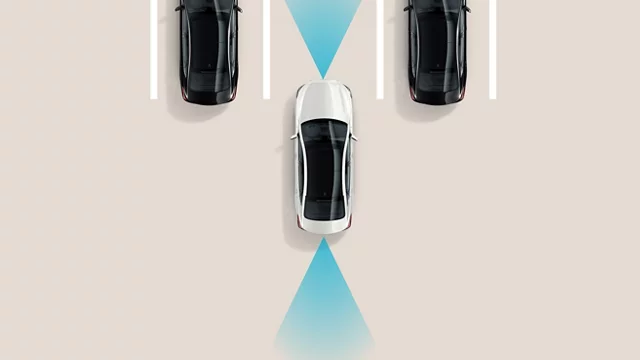
Remote Smart Parking Assist (RSPA)
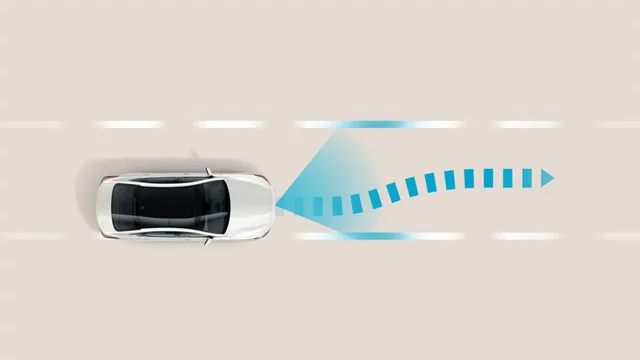
Lane Following Assist (LFA)

Blind-Spot View Monitor (BVM)

Surround View Monitor (SVM)
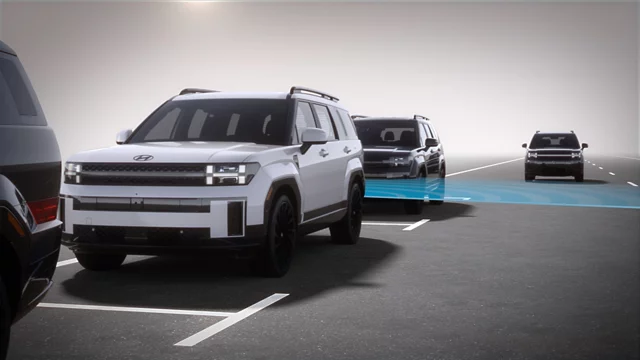
Safe Exit Assist (SEA)

Rear Occupant Alert (ROA)
Advanced Rear Occupant Alert (Advanced ROA)

Driver Attention Warning (DAW)

Forward Collision-Avoidance Assist with Pedestrian, Cyclist, and Junction Turning Detection (FCA-JT)
Forward Collision-Avoidance Assist Enhancements (Junction Crossing, Lane Change Oncoming, Lane Change Side, Evasive Steering Assist)

Blind-Spot Collision-Avoidance Assist (BCA)
Blind-Spot Collision Warning (BCW)

Lane Keeping Assist (LKA)

High Beam Assist (HBA)

Smart Cruise Control (SCC) with Stop & Go
Smart Cruise Control 2 (SCC2)
Navigation-based Smart Cruise Control (N-SCC) w/ Curve Control

Rear Cross-Traffic Collision-Avoidance Assist (RCCA)
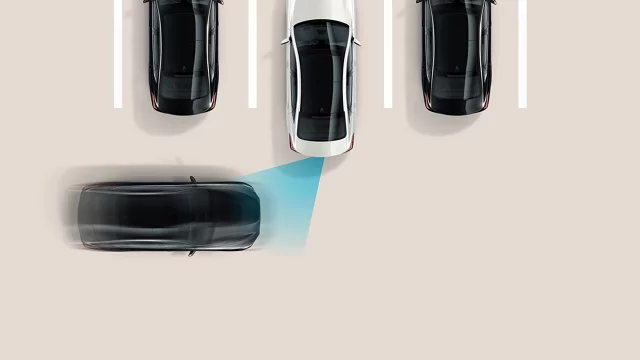
Parking Collision-Avoidance Assist – Reverse (PCA-R)

Forward Attention Warning (FAW)
Parking Distance Warning - Reverse and Forward
Parking Distance Warning - Reverse/Forward/Side
Head-to-head





Featured {{ modelYear }} {{ modelName }} Reviews
FAQ
Still got questions?
Vehicle shown for illustrative purposes only. Actual model may vary.